What Happens If Testosterone Levels Are Too Low or Too High?
Hormones act as the silent regulators of the human body. They orchestrate metabolism, influence physical performance, and even shape emotional equilibrium. Among these biochemical messengers, testosterone stands as one of the most consequential hormones in male physiology. When testosterone levels remain balanced, the body functions efficiently. However, when those levels become too low or excessively high, the consequences can ripple through nearly every system of the body. In recent years, there has been a growing surge in online searches related to hormone optimization and testosterone research. Many individuals explore information regarding best Testosterone online options or seek educational resources about hormone therapies and performance compounds. Some readers also encounter references to compounds such as Stanozolol Injectable, Drostanolone Propionate Injectable, and Trenbolone Enanthate Injectable within research discussions related to anabolic activity and endocrine response. Understanding testosterone imbalance is therefore essential not only for medical awareness but also for those researching hormone health and responsible treatment options.
Understanding Testosterone and Its Biological Role
Testosterone is a steroid hormone belonging to the androgen group. It is synthesized primarily within the testes and plays a crucial role in the development of male characteristics. During puberty, testosterone triggers profound physiological transformations including voice deepening, increased muscle development, and facial hair growth. Throughout adulthood, testosterone continues to regulate essential bodily functions that support physical performance, metabolic stability, reproductive health, and cognitive function.
The Fundamental Hormone of Male Physiology
- Muscle protein synthesis
- Bone mineral density
- Fat metabolism
- Libido and reproductive health
- Cognitive performance
These functions explain why people researching hormonal optimization frequently search for reliable information regarding best Testosterone online resources and medical guidance.
Causes of Testosterone Imbalance
After the age of thirty, testosterone levels gradually decline in many men. This age-related reduction can become more noticeable over time. Additional contributors include chronic stress and elevated cortisol, poor sleep patterns, nutritional deficiencies, certain endocrine disorders, and hormone therapy misuse. In research contexts involving anabolic compounds, substances such as Stanozolol Injectable, Drostanolone Propionate Injectable, and Trenbolone Enanthate Injectable are often studied for anabolic properties, but improper or unsupervised use may interfere with natural hormone production.
Symptoms of Low Testosterone
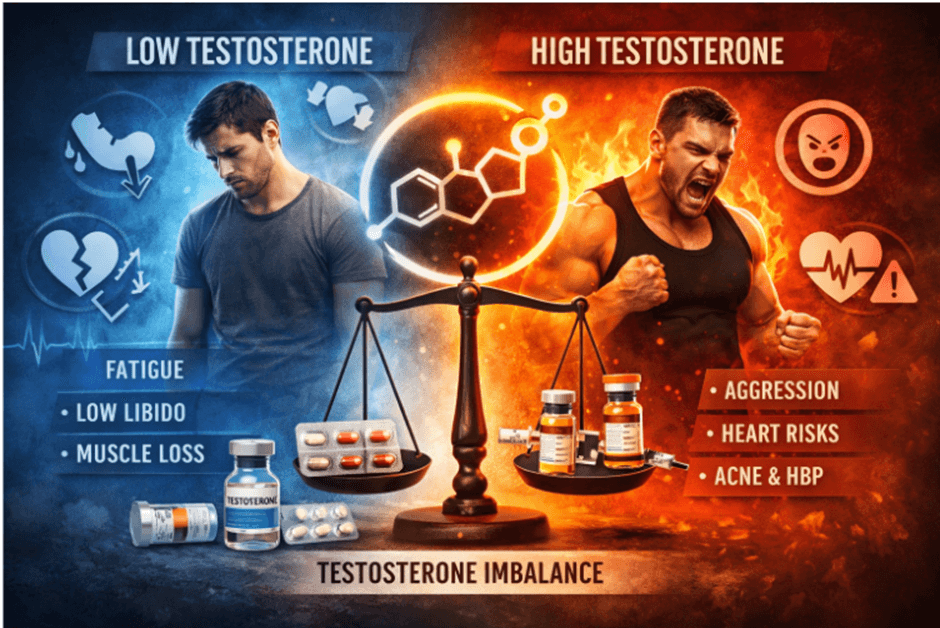
Low testosterone can gradually affect both physical and psychological health. Symptoms may begin subtly and intensify over time. Common indicators include persistent fatigue even after adequate rest, reduced muscle mass with increased body fat, decreased libido, and mood disturbances such as irritability, anxiety, or depressive symptoms. Because these signs overlap with other health conditions, clinical testing is essential for accurate diagnosis.
Health Risks of Excessively High Testosterone
Excessively high testosterone levels can also create health concerns. Hormonal suppression may occur through negative feedback mechanisms, reducing natural hormone production. Dermatological changes such as oily skin or acne are common in some individuals. Elevated levels may also influence mood and behavior, including heightened irritability. In some cases, cardiovascular factors may be affected due to changes in red blood cell production and endocrine dynamics.
Testosterone, Performance, and Research Compounds
In sports science and biochemical research, anabolic compounds are studied for muscle growth and metabolic effects. Frequently referenced examples include Stanozolol Injectable, Drostanolone Propionate Injectable, and Trenbolone Enanthate Injectable. While these compounds influence anabolic pathways, they also interact with endocrine feedback systems. Improper use can disrupt natural testosterone balance, which is why responsible research standards and medical oversight are critical.
Maintaining Healthy Testosterone Levels
Before considering medical interventions, foundational lifestyle practices can support hormonal balance:
- Strength training to stimulate natural testosterone production
- Balanced nutrition with healthy fats, protein, and micronutrients
- Restorative sleep for optimal hormone synthesis
- Stress management to reduce chronic cortisol elevation
The Digital Search for Testosterone Information
Online education now plays a central role in hormone-health awareness. Common search queries include best Testosterone online, buy Testosterone online, testosterone imbalance symptoms, and hormone therapy information. For health publishers and medical writers, clear and accurate educational content is essential to help readers make informed and safe decisions.
Conclusion
Testosterone is one of the most influential hormones in male physiology, shaping metabolism, bone density, mood, reproductive function, and physical performance. Both low and excessively high levels can disrupt health in meaningful ways. Understanding hormonal balance helps individuals evaluate symptoms early, seek qualified medical guidance, and make responsible choices while researching best Testosterone online resources or related compounds.
Frequently Asked Questions
No products available for this division yet.


